
Available courses

This technical curriculum balances mathematical foundations with practical software engineering to solve complex computational problems. [1, 2]
  • Introduction to Programming: Teaches foundational syntax, logic, and debugging using languages like Python, Java, or C.
  • Data Structures and Algorithms: Evaluates methods for organizing data (lists, trees, graphs) and implementing efficient algorithms to manipulate that data.
  • Database Management Systems (DBMS): Explores data modeling, relational databases, data security, and writing structural queries via SQL.
  • Computer Architecture & Operating Systems: Covers hardware infrastructure, memory management, process scheduling, and system-level software optimization.
  • Software Engineering: Focuses on the software development life cycle (SDLC), agile methodologies, system design patterns, and collaborative development tools.
  • Computer Networks & Cybersecurity: Details data transmission protocols, network topology design, cryptography, and defensive infrastructure security.

This program combines behavioral science and strategic analysis to teach students how to coordinate human, financial, and physical resources to achieve organizational goals.
  • Introduction to Management: Introduces the four primary pillars of administrative operations: planning, organizing, leading, and controlling.
  • Organizational Behavior: Analyzes individual and group dynamics within a corporate environment, focusing on employee motivation, leadership styles, and conflict resolution.
  • Human Resource Management: Covers recruitment pipelines, performance evaluation metrics, labor laws, compensation structures, and workplace training development.
  • Operations & Supply Chain Management: Teaches the optimization of production processes, quality control, inventory maintenance, and logistical networks.
  • Principles of Marketing: Explores consumer behavior, product development, pricing models, market research, and global distribution channels.
  • Strategic Management: A capstone course where students analyze competitive business environments, formulate long-term corporate goals, and execute policy decisions.
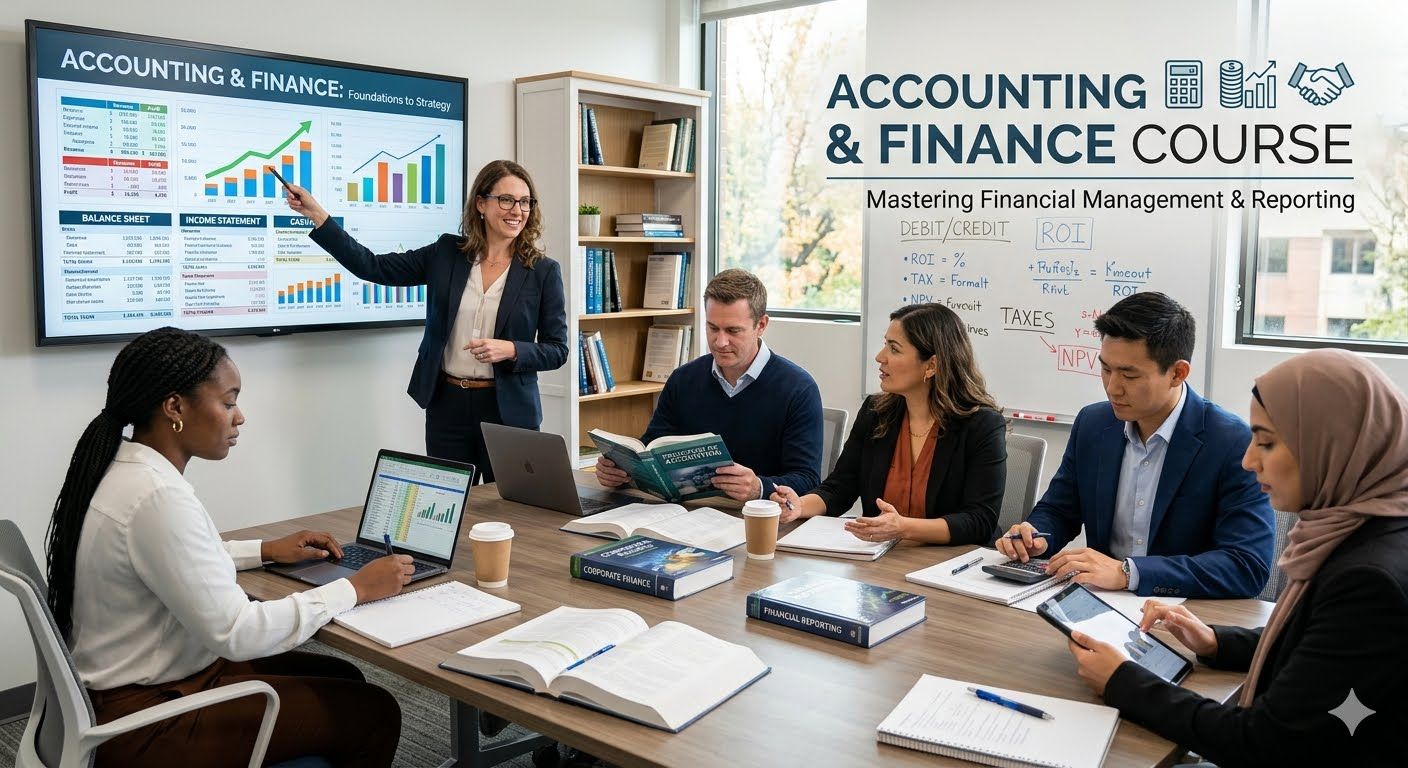
This curriculum focuses on the systematic recording, analysis, and interpretation of financial data to facilitate strategic decision-making and ensure regulatory compliance. [1]
  • Fundamentals of Accounting: Covers basic accounting principles, tracking transaction cycles, preparing financial statements (balance sheets and income statements), and mastering the double-entry bookkeeping system.
  • Intermediate & Advanced Financial Accounting: Focuses on complex financial reporting, asset evaluation, liabilities, and the application of International Financial Reporting Standards (IFRS).
  • Cost & Managerial Accounting: Teaches techniques for tracking product costing, budget forecasting, and gathering internal financial data to guide management decisions.
  • Corporate Finance / Financial Management: Explores capital structure, working capital management, investment appraisal, risk analysis, and corporate dividend policies.
  • Auditing Principles and Practices: Instructs students on examining underlying accounting records, assessing internal controls, and rendering independent opinions based on International Standards on Auditing (ISA).
  • Taxation: Focuses on corporate and individual tax laws, tax planning, and the preparation of regulatory tax returns. [1, 2, 3, 4, 5, 6]